 Diabetes is rife in
 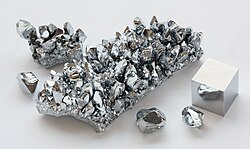 Chromium
Chromium is a trace mineral located in the human body that
regulates carbohydrate and fat metabolism. However it also helps in the
acceptance and processing of insulin introduced to the system from outside
sources (like injections). It has been observed by scientists that people with
low levels of Chromium have a higher chance of developing Type-2 Diabetes.
Several studies have shown that Chromium treatments can help in the
control of Diabetes, however whereas these studies have been highly informative
they have not be wholly conclusive meaning that further study must be undertaken
to understand the complete benefits Chromium may have when treating Diabetes.
In studies, Chromium supplements have been shown o increase the amount of
insulin processed by significant amounts. It is clear that the addition of
Chromium to one Diabetic routine can help the development of a far healthier
system.
 Ginseng
There are dozens of forms of Ginseng; however the most effective form is North American, or Panax quinquefilious. This form of Ginseng has demonstrated powerful blood sugar control properties, in addition to producing Glycosylated hemogobin (a form of hemoglobin in the blood used to monitor blood glucose levels over time).
A great way to get a regular amount of Ginseng in your system is to brew Ginseng tea, to do so, follow these instructions.
- Slice a whole
Ginseng root into coarse pieces.
- Measure out 1
tsp of Root and add to a cup of cold water.
- Cover and
bring the water to boil.
- Once the water
begins to boil, lower the temperature to the lowest setting you have available
and leave it for 15 minutes.
- Let the
mixture steep for 6 hours.
- Drink at will.

Cinnamon is without a shadow of a doubt, one of the best spices out there for controlling diabetes. There are properties in cinnamon that increase the amounts of blood sugar your muscles absorb, keeping the levels of excess blood glucose to lower levels. Studies using Cinnamon pills have demonstrated that by taking three supplements of Cinnamon a day you can cause the levels of blood glucose to drop at a steady rate. It is simple enough to add cinnamon into a diet and heavily recommended
Many diabetes experts claim the usefulness of the Cinnamon, in the video
below shows Shane Owen describing one of the ways that Cinnamon can be used to
curb Diabetes. In addition to helping with Diabetes, Cinnamon also has powerful cholesterol
lowering effects, it was demonstrated in a test which involved three groups of people
taking varying doses of Cinnamon, forty days after the test every group
demonstrated significantly lowered cholesterol levels.

Zinc
It has been shown that many people suffering form Diabetes have suboptimal Zinc levels in their body. This is due to their bodies producing low levels of Zinc and excreting it a highly accelerated rate. It is advised that anyone suffering from Diabetes in any form try to supplement the amount of zinc they intake. Several foods are naturally rich in zinc; find a list of some of these foods: Fresh oysters, ginger root, lamb, pecans, split peas, egg yolk, rye, beef liver, lima beans, almonds, walnuts, sardines, chicken and buckwheat.
 Magnesium
Magnesium is
needed for over 300 different bodily functions, including the regulation of
blood sugar, muscle and nerve functions. It has been proven that a daily supplement
of Magnesium can help drop blood glucose levels by aiding the body process
blood sugar far more efficiently.
With this mineral however, I am attaching a warning; High levels of Magnesium can prove to be dangerous to the human body, causing heavy, difficult breathing as well as heart problems and low blood pressure. So whilst Magnesium is great for combating the effects of Diabetes it can be counted as somewhat of a double edged sword, so please be careful and consult a professional.
With this mineral however, I am attaching a warning; High levels of Magnesium can prove to be dangerous to the human body, causing heavy, difficult breathing as well as heart problems and low blood pressure. So whilst Magnesium is great for combating the effects of Diabetes it can be counted as somewhat of a double edged sword, so please be careful and consult a professional.
Aloe Vera
Gel
 Whilst Aloe
Vera Gel is better known as a soothing agent for burns and the like, Japanese
Scientists have recently discovered additional uses for the substance. Within
Aloe Vera there are a number of active phytosterol compounds that reduce blood
glucose levels. It also reduces glycosylated hemoglobin, which is a fairly
uncommon property to be found in plant matter.
Whilst Aloe
Vera Gel is better known as a soothing agent for burns and the like, Japanese
Scientists have recently discovered additional uses for the substance. Within
Aloe Vera there are a number of active phytosterol compounds that reduce blood
glucose levels. It also reduces glycosylated hemoglobin, which is a fairly
uncommon property to be found in plant matter. 
Vanadium
Vanadium is naturally found in soil and most foods, Petroleum burning also produces Vanadium. This substance has demonstrated to improve insulin sensitivity and reduce the levels of blood sugar. In many ways it mimics the effects of insulin, which makes it invaluable in the fight against diabetes.
However there are inherent dangers to Vanadium as the dose needed to effectively
lower the levels of blood glucose can prove to be toxic to the human body. If
you wish to integrate additional supplements of Vanadium into your lifestyle, I
would advise you to contact a trained professional.


