Showing posts with label Aloe Vera. Show all posts

Monday, 18 March 2013

Snuff out heartburn


Do you suffer from heartburn? If so you are one of the millions people who do, so don’t worry too much, Many people who suffer from heartburn complain that store bought remedies simply are not strong enough to dampen the pain and search out alternate methods of treatment.


Regardless of if you suffer Chronic (2-3 times a week) or intermittent (1-2 a month) pains, these natural remedies and tactics to combat heartburn should prove useful to you.

Chew gum
Multiple tests have determined that any sugar free gum has potential to aid in the neutralization of heartburn. Tests have determined that upon chewing gum, you stimulate the salivary flow rate which will cause the knock on effect of washing away any excess acids and minimizing the amount of damage these excess acids can cause.
It can be believed that chewing a single piece of sugar free gum after each meal can help minimize the chances of developing heartburn.

Eat Liquorice
It was suggested by Susan Blum, MD, that chewing liquorice before a meal can minimize the chances of developing heartburn. She said that the beliefs that taking antacids to avoid the development of heartburn is wrong, seeming as the stomachs contents are meant to be acidic. Her theory is that by eating liquorice before a meal you are more likely to avoid the development as liquorice is a natural stomach healer. However, it goes without saying that this is not an excuse to binge on liquorice before a meal, for two main reasons;
  1. You will ruin your appetite.
  2. You can develop several dangerous side effects, the same as if you binged on sugar for large amounts of time; these side affects could be anything as minor as weight gain to something more dangerous such as a rapid increase in blood pressure.
Drink Aloe Vera Juice
Aloe Vera’s use as a soothing agent is well known, great for neutralising the pain from severe burns. These effects have also been demonstrated as working within the stomach, which minimises the pain caused by severe heartburn. It does so by neutralizing the inflammation within the stomach and oesophagus, in addition to regulating and soothing the acid flow between the two. It is recommended to drink a half a cup before eating to prepare the body for the inflow of acid that accompanies a meal.
As a warning however, it should be noted that this juice is also a potent laxative if not prepared properly, the easiest thing to do is to purchase Aloe Vera powder and mix that into water instead.
Drink Slippery Elm
Some experts have suggested that mixture of Slippery Elm and water, once drunk can create a protective layer covering the stomach lining. This lining is demonstrated as being extremely potent at negating the pain induced by acid reflux (heartburn). However, there is very little research to back up these theories yet the few tests that have been carried out have all been positive.

Baking Soda
My Nan would always try and treat her stomach pains with a cup of baking soda and water, and whilst it is true that there are some benefits to taking Baking soda, I do not recommend it. Remember how it was said earlier that antacids are not exactly good for you? Baking soda and water is an Antacid so whilst it will neutralize some amounts of pain from heartburn, it will also reduce the acid in your stomach, causing problems further down the line. Baking soda has also been attributed to causing some of the following side effects:

  • Swelling
  • Nausea
  • Increase in blood pressure
  • Slow breathing
  • Weakness

Now armed with the above knowledge, you should be able to find the way that works for you. However, if the above methods do not work, keep in mind these methods are only the tip of the iceberg and many more ways exist! Good luck!

Friday, 15 March 2013

Beating Diabetes, One step at a time.


Diabetes is rife in England, one in ten people are affected by it and yet, barring insulin, there is no real variety of ways to combat it. So here are 7 different vitamins and suppliments you can use to help your fight against Diabetes.

Chromium
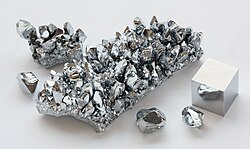
Chromium is a trace mineral located in the human body that regulates carbohydrate and fat metabolism. However it also helps in the acceptance and processing of insulin introduced to the system from outside sources (like injections). It has been observed by scientists that people with low levels of Chromium have a higher chance of developing Type-2 Diabetes.  Several studies have shown that Chromium treatments can help in the control of Diabetes, however whereas these studies have been highly informative they have not be wholly conclusive meaning that further study must be undertaken to understand the complete benefits Chromium may have when treating Diabetes.  In studies, Chromium supplements have been shown o increase the amount of insulin processed by significant amounts. It is clear that the addition of Chromium to one Diabetic routine can help the development of a far healthier system.

Ginseng
There are dozens of forms of Ginseng; however the most effective form is North American, or Panax quinquefilious. This form of Ginseng has demonstrated powerful blood sugar control properties, in addition to producing Glycosylated hemogobin (a form of hemoglobin in the blood used to monitor blood glucose levels over time).
A great way to get a regular amount of Ginseng in your system is to brew Ginseng tea, to do so, follow these instructions.


  1. Slice a whole Ginseng root into coarse pieces.
  2. Measure out 1 tsp of Root and add to a cup of cold water.
  3. Cover and bring the water to boil.
  4. Once the water begins to boil, lower the temperature to the lowest setting you have available and leave it for 15 minutes.
  5. Let the mixture steep for 6 hours.
  6. Drink at will.


Cinammon
Cinnamon is without a shadow of a doubt, one of the best spices out there for controlling diabetes. There are properties in cinnamon that increase the amounts of blood sugar your muscles absorb, keeping the levels of excess blood glucose to lower levels. Studies using Cinnamon pills have demonstrated that by taking three supplements of Cinnamon a day you can cause the levels of blood glucose to drop at a steady rate. It is simple enough to add cinnamon into a diet and heavily recommended
Many diabetes experts claim the usefulness of the Cinnamon, in the video below shows Shane Owen describing one of the ways that Cinnamon can be used to curb Diabetes.  In addition to helping with Diabetes, Cinnamon also has powerful cholesterol lowering effects, it was demonstrated in a test which involved three groups of people taking varying doses of Cinnamon, forty days after the test every group demonstrated significantly lowered cholesterol levels.


Zinc

It has been shown that many people suffering form Diabetes have suboptimal Zinc levels in their body. This is due to their bodies producing low levels of Zinc and excreting it a highly accelerated rate. It is advised that anyone suffering from Diabetes in any form try to supplement the amount of zinc they intake. Several foods are naturally rich in zinc; find a list of some of these foods: Fresh oysters, ginger root, lamb, pecans, split peas, egg yolk, rye, beef liver, lima beans, almonds, walnuts, sardines, chicken and buckwheat.

Magnesium
Magnesium is needed for over 300 different bodily functions, including the regulation of blood sugar, muscle and nerve functions. It has been proven that a daily supplement of Magnesium can help drop blood glucose levels by aiding the body process blood sugar far more efficiently.
With this mineral however, I am attaching a warning; High levels of Magnesium can prove to be dangerous to the human body, causing heavy, difficult breathing as well as heart problems and low blood pressure. So whilst Magnesium is great for combating the effects of Diabetes it can be counted as somewhat of a double edged sword, so please be careful and consult a professional.

Aloe Vera Gel
Whilst Aloe Vera Gel is better known as a soothing agent for burns and the like, Japanese Scientists have recently discovered additional uses for the substance. Within Aloe Vera there are a number of active phytosterol compounds that reduce blood glucose levels. It also reduces glycosylated hemoglobin, which is a fairly uncommon property to be found in plant matter.


Vanadium
Vanadium is naturally found in soil and most foods, Petroleum burning also produces Vanadium. This substance has demonstrated to improve insulin sensitivity and reduce the levels of blood sugar. In many ways it mimics the effects of insulin, which makes it invaluable in the fight against diabetes. 
However there are inherent dangers to Vanadium as the dose needed to effectively lower the levels of blood glucose can prove to be toxic to the human body. If you wish to integrate additional supplements of Vanadium into your lifestyle, I would advise you to contact a trained professional.

Thursday, 17 January 2013

What can Aloe Vera do for me?

Aloe Vera’s first recorded use was over 5000 years ago in early Egyptian times  but this amazing plant now is used to treat hundreds of different ailments ranging from sun burn to constipation and is growing in popularity and an amazing pace.
The aloe vera plant is constructed with the basic building blocks of life, including essential vitamins and minerals, proteins, polysaccharides, enzymes, and amino acids. (Some people drink aloe vera for physical endurance and stamina, instead of energy drinks!) The bulk of the aloe vera leaf is filled with gel, which is approximately 99% water. The other 1% contains over at least 75 known nutrients including 20 minerals, 12 vitamins, 18 amino acids, 200 active plan compounds called phytonutrients, enzymes and of course, water.

So what can it do for me?

Currently there is an ever grown body of evidence suggesting Aloe Vera can help diabetics by helping to control blood sugar levels. Another is its ability to lower cholesterol although data is still insufficient to support these claims

What we do know?
Anti-fungal / Anti –inflammatory
It’s these properties that make Aloe Vera the ideal choice for minor burns and skin conditions as well as fungal infection such as athlete’s foot.
Use as a moisturizer
Aloe Vera is an Emollient they work by binding on the surface of the skin helping to prevent loss of moisture.
Internal uses
  • Available source of several vitamins and minerals that are vital to healthy cell growth.
  • Contains several antioxidants that protect the body against free radical damage.
  • Contains multiple enzymes to aid the process of digestion.
  • Helps stop Candida overgrowth in the body.
  • Helps the body’s natural wound healing process function properly.
  • Aids in detoxification and helps keep the colon clean and regular.

How to take it?

There are no official guidelines as to use of Aloe Vera but here are some guidelines to help you get the most from your supplements.
Creams and gels with aloe vera vary in dosage. Some creams for minor burns have just 0.5% aloe vera. Others used for psoriasis may contain as much as 70% aloe vera. As an oral supplement, aloe has no set dose. For constipation, some use 100-200 milligrams of aloe juice — or 50 milligrams of aloe extract — daily as needed. For diabetes, 1 tablespoon of the gel has been used daily. High oral doses of aloe or aloe latex are dangerous. Ask your doctor for advice on how to use aloe.daily. High oral doses of aloe or aloe latex are dangerous. Ask your doctor for advice on how to use aloe.
Source:
bobby's healthy blog