Copper;
Copper
is an essential mineral. Without it, all of humanity would become incredibly
unhealthy, our lifespans roughly half what they currently are. You see
Copper is required to activate the metabolic reactions that process
Vitamins and Amino Acids. If deficient in copper, the body will slow and
possibly develop any number of potential illnesses, such as:
- Anemia
- Low body temperature
- Brittle bones
- Osteoporosis
- Dilated Veins
- Low white blood cell count
- Uneven heartbeat
- Elevated Cholesterol levels
- Low Resistance to infections
- Birth Defects
- Low Skin Pigmentation
- Thyroid disorders
.jpg)
Copper is important for more than just managing metabolism; it also benefits growth, utilization of iron, enzymatic reactions, connective tissues, hair, eyes, ageing and energy production. Many of us will have seen copper jewellery in the past, small items like copper bracelets that claim to help cure arthritis. Whereas the idea of these items actually working does make me chuckle, I understand where this idea originated. Copper is well known for its powerful anti-inflammatory properties, shown to have greatly beneficial effects in reducing the symptoms of arthritis.
The same can be said for Cholesterol levels. A healthy level of copper encourages the body to create beneficial cholesterol at an increased rate, whilst simultaneously decreasing the levels of negative cholesterol; it does so by managing the processing of certain cholesterol heavy cells, altering the way these cells are utilized in the body.
Copper is
also renowned as a “Brain Food” or a natural brain stimulant. When a healthy
level of copper is held within the body, copper cells are introduced
to the cranial cavity. As copper cells are metallic they become additional synapse points in the brain for electrical impulses to travel, this allows for faster transfer of information. The common misconception
of “Brain foods” is that they make you smarter; this is not necessarily true,
rather than making you smarter they simply speed up the information processing,
allowing for quicker thinking. Although, it is important to remember the old
saying “To much of a good thing…” an overabundance of copper can cause severe
headaches and pain.
As I
mentioned earlier, the human body requires copper for healthy growth, as it
aids in the metabolizing of important amino acids and vitamins that are invaluable
to human growth, whilst at the same time protecting the skeletal,
cardiovascular and nervous systems.
As well as
the above effects, copper is also on record as having the following benefits to
the human body:
- Pigment in hair and eyes: Copper is a natural part of one of
the darker pigments in the human body, large deposits of copper continue the
creation of this pigment into old age, fighting the greying process of hair.
- Enzyme reactions: Copper is a known part of or effector of 50 separate
enzymes, demonstrating its importance to the running of the human body.
- A Powerful Antioxidant: Copper is an amazing stalling agent and useful for fighting off many viruses.
- Increased energy production: Copper is essential for the synthesis of many internal
energy producers in the body.
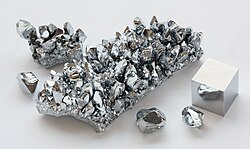
Chromium:
Chromium is best known for
its control of how Insulin is utilized as well as increasing levels within the body. For this reason it has been adopted into medical
practices with the aim of curing or maintaining diabetes, with promising
results so far. It has been shown in recent studies that 90% of Americans are
suffering a deficiency of Chromium.
Such a deficiency can lead to several problems such as; an increase in blood sugar (as less insulin
is being produced) and cholesterol, as well as an increased chance of developing
heart disease or Diabetes.
By increasing the amount of
Chromium in the body (either through supplements or a change in diet)
scientists have theorized that Chromium holds minor weight loss properties and provides muscle
building nutrients, however this theory requires more study before it becomes fact.
The most well known use for Chromium is in relation to Diabetes; as previously mentioned Chromium
is a great supplier and controller of Insulin, which is integral to the control
of blood sugar levels. By keeping healthy levels of Chromium in the
body, it has been demonstrated in several tests that blood sugar levels are
lowered, as are the levels of externally produced Insulin needed to run the
body. There are minor levels of controversy linked to the use of Chromium
against diabetes though, as some have claimed that the level of change that
Chromium instigates in the blood is so minor that it is not worth the potential
risks of imbuing the body with large amounts of minerals.
Many foods are ready suppliers of Chromium, many of which the average person eats daily, however the amount of Chromium in some of these foods is relatively minor, linked to the cause of deficiency in the
.jpg)
- Lean meats:
- Cheeses
- Pork kidneys
- Whole Grain breads and cereals
- Oatmeal
- Prunes
- Mushrooms
- Nuts
The recommended amount of
Chromium to imbue per day is as follows:
Pediatric
- For infants birth - 6 months:
0.2 mcg (micrograms) daily
- For infants 7 - 12 months: 5.5
mcg daily
- For children 1 - 3 years: 11
mcg daily
- For children 4 - 8 years: 15
mcg daily
- For boys 9 - 13 years: 25 mcg
daily
- For girls 9 - 13 years: 21 mcg
daily
- For boys 14 - 18 years: 35 mcg
daily
- For girls 14 - 18 years: 24
mcg daily
- For pregnant women 14 - 18
years: 29 mcg daily
- For breastfeeding women 14 -
18 years: 44 mcg daily
Adult
- For adult men 19 - 50 years:
35 mcg daily
- For adult men 51 years and
older: 30 mcg daily
- For adult women 19 - 50 years:
25 mcg daily
- For adult females 50 years and
older: 20 mcg daily
- For pregnant females 19 years
and older: 30 mcg daily
- For breastfeeding females 19
years and older: 30 mcg daily


And with all
that said and done, next week I will move onto Cobalt and Fluorine.